Unified Loyalty Networks: Merging Casino Floors, Sports Odds, and Progressive Rewards
Written by Yves Krause · Jul 8, 2026
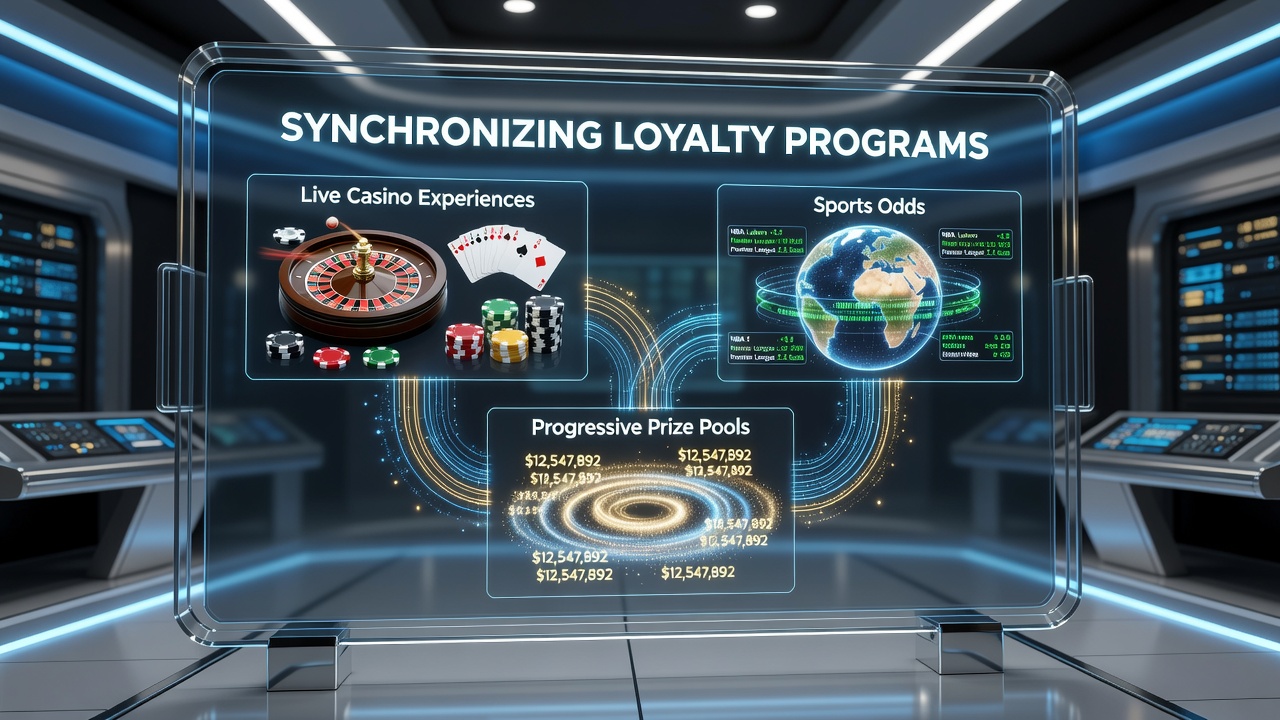
Unified Loyalty Networks: Merging Casino Floors, Sports Odds, and Progressive Rewards
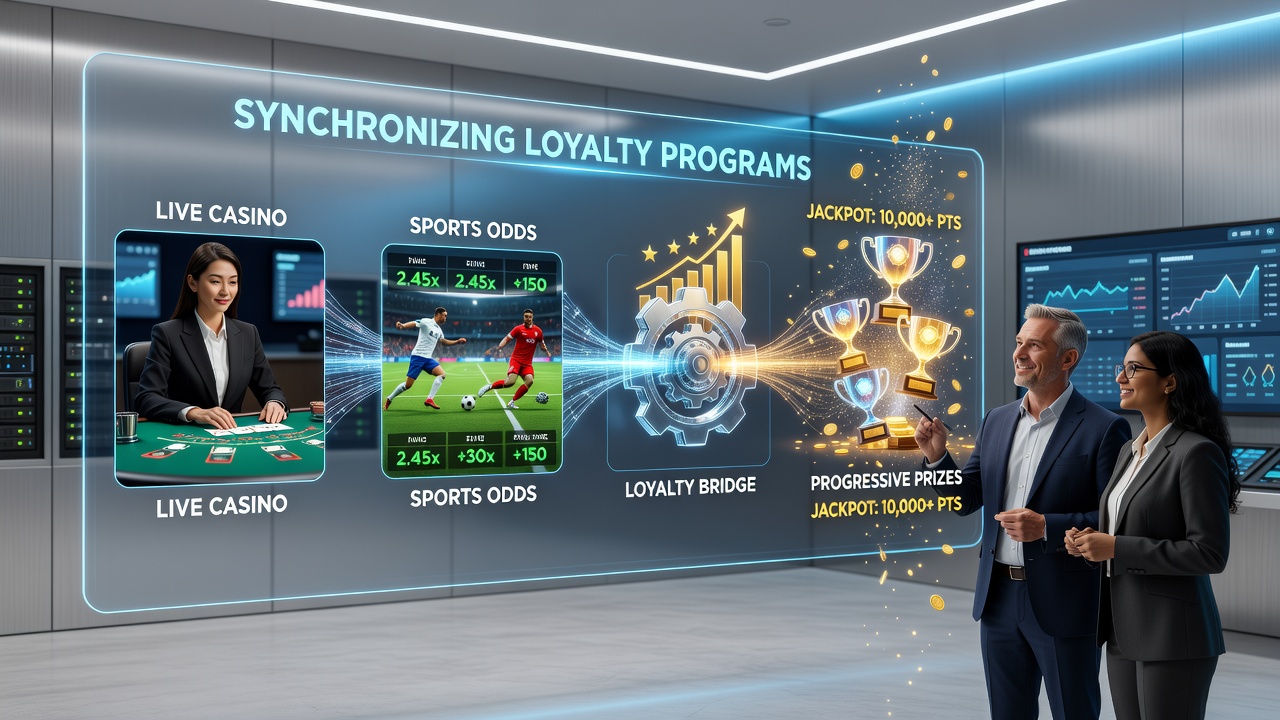
Operators have developed systems that allow loyalty points earned at live casino tables to transfer directly into sports betting accounts while also feeding into shared progressive prize pools. These frameworks track activity across platforms using centralized databases that update in real time, converting table game wagers into equivalent betting credits or jackpot contributions without manual intervention.
Core Mechanics Behind Cross-Platform Tracking
Points accumulate based on wager volume and game type, then algorithms allocate portions toward sports odds enhancements such as boosted accumulator payouts or toward progressive meters that grow across multiple venues. Data from the American Gaming Association shows integrated programs now cover over 60 percent of major U.S. casino groups, with point conversion rates typically set at ratios between 1:1 and 5:1 depending on the operator's risk model.
Live dealer sessions contribute through continuous hand tracking, while sports bets add value via settled odds that trigger bonus multipliers. Progressive pools receive percentage-based deposits from each activity category, creating larger shared pots that reset only after major wins occur.
Linking Live Tables to Sports Markets
Players who complete a live blackjack session receive points that unlock enhanced odds on upcoming football or basketball events. The synchronization occurs through mobile apps that display combined balances, allowing seamless movement between table play and wager placement. Systems also monitor session length to prevent rapid point cycling, applying cooldown periods measured in hours rather than days.
One documented approach appears in multi-state operators where Nevada and New Jersey properties share backend ledgers, enabling points earned during evening table games to fund morning sports bets the following day. This setup relies on encrypted APIs that maintain compliance with varying state reporting requirements.
Progressive Pools as the Connecting Element
Progressive prize pools function as the central accumulator where contributions from live casino activity and sports wagers merge into single growing totals. Each qualifying bet adds a fixed percentage to the meter, visible across both casino floors and betting platforms. When thresholds are reached, automated notifications alert participants through push messages tied to their loyalty profiles.
Studies from the University of Nevada, Las Vegas International Gaming Institute indicate that synchronized pools generate higher average contribution rates than standalone systems because players remain engaged longer across multiple product types. The data covers activity through mid-2026 and notes steady meter growth during periods when sports calendars overlap with major casino events.
Operational Adjustments Around July 2026
Platform updates scheduled for July 2026 introduce standardized data fields that simplify point transfers between previously separate casino management systems and sports books. These changes allow operators to apply uniform conversion tables while preserving jurisdiction-specific tax calculations. Early adopters report reduced reconciliation times from several hours down to minutes per batch.
Additional layers include optional player toggles that let users direct a chosen percentage of points toward progressive contributions versus immediate sports bonuses. Backend reporting tools now generate separate ledgers for each allocation path to support audit trails required by regulatory bodies in multiple regions.
Technical Infrastructure Requirements
Successful synchronization depends on low-latency connections between table sensors, betting engines, and jackpot controllers. Most implementations use cloud-based ledgers that replicate across regional servers to handle peak loads during live events. Encryption protocols meet standards set by independent testing labs, ensuring point integrity during transfers.
Edge cases such as disputed bets or table game errors trigger automatic holds on affected points until resolution occurs. Operators maintain dedicated support teams trained to trace transaction histories across all connected products, reducing resolution times for player inquiries.
Conclusion
Synchronized loyalty programs create measurable connections between live casino participation, sports betting activity, and progressive prize accumulation through shared tracking systems and standardized conversion rules. Developments effective in July 2026 further streamline these processes by introducing uniform data standards across major operators. The resulting frameworks allow points to flow between product categories while maintaining separate compliance records for each jurisdiction involved.