Timing Coordination Systems Connecting Mobile Reel Progressions to Card Sequences and Stacked Event Wagers
Written by Yves Krause · Aug 10, 2026
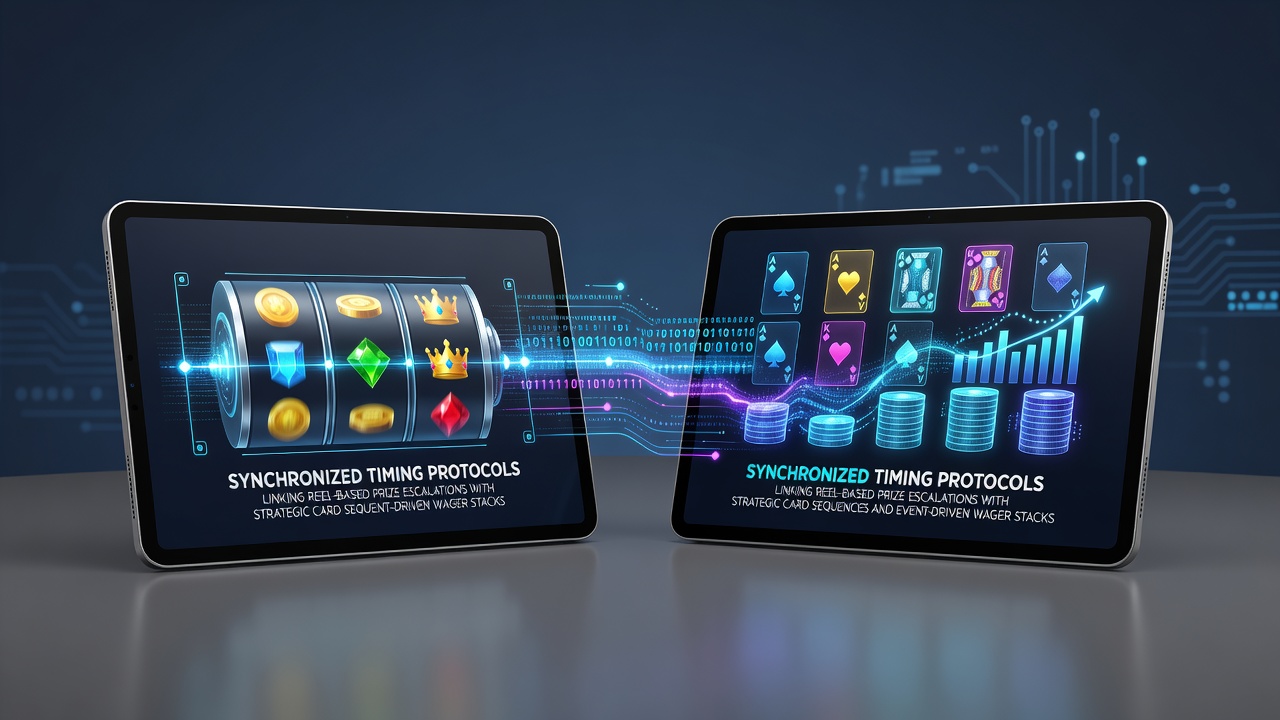
Timing Coordination Systems Connecting Mobile Reel Progressions to Card Sequences and Stacked Event Wagers
Developers deploy synchronized timing protocols in portable interfaces to align reel-based prize escalations with strategic card sequences while event-driven wager stacks respond in real time, and these systems operate through precise clock synchronization that triggers bonus layers across separate game modules on the same device. Data from industry reports shows mobile platforms have integrated such coordination since early 2020s updates, whereas August 2026 brought further refinements in cross-game event handling according to testing logs shared by multiple operators.
Core Mechanics of Protocol Integration
Reel escalations advance through incremental multipliers that activate at predetermined intervals, yet the protocols ensure these moments coincide with card sequence milestones in linked table simulations so that a player completing a specific hand pattern receives immediate stack adjustments without manual intervention. Observers note the use of network time protocol variants alongside device-level APIs, which maintain consistency even when users switch between portrait and landscape modes or experience brief connectivity shifts, and research indicates latency below 50 milliseconds remains standard for maintaining seamless flow.
Event-driven wager stacks accumulate when external triggers such as live sports outcomes or in-game milestones occur, while the timing layer maps these events onto ongoing reel and card sessions to prevent overlap conflicts. Studies conducted by academic groups at technical universities have examined packet timing structures, revealing that timestamp hashing reduces desynchronization errors by measurable margins across thousands of simulated sessions.
Implementation Across Portable Devices
Portable interfaces rely on client-side scripts that poll centralized servers for unified timestamps, and this approach allows reel progressions to pause or accelerate in response to card sequence completions detected in parallel processes. Experts have observed that operators apply these methods in applications supporting multiple game types simultaneously, whereas hardware variations between operating systems require adaptive calibration routines updated quarterly. Figures from device analytics platforms reveal higher retention rates when coordination remains stable during extended play periods.
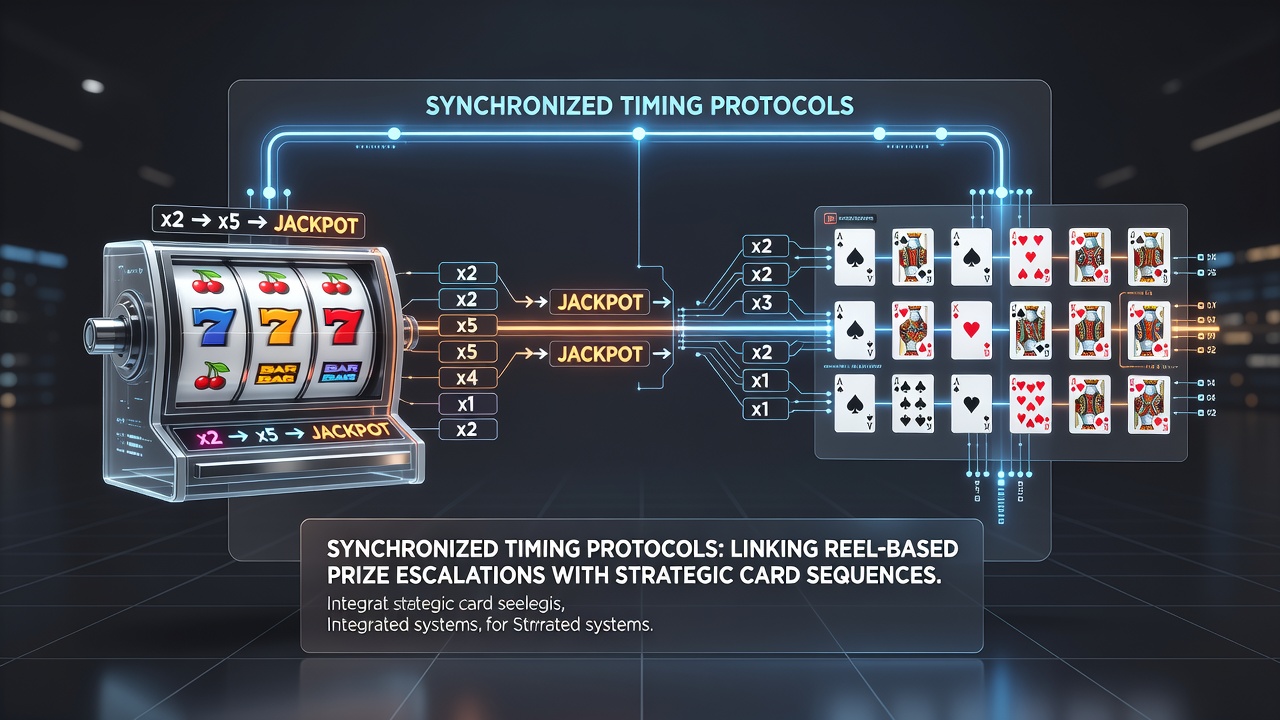
One documented case involved a platform rollout in which reel multipliers synced directly to poker hand rankings, enabling wager stacks to compound from combined outcomes without separate confirmation steps. Technicians achieved this through shared state machines that update every 100 milliseconds, and similar patterns appear in reports covering North American and Australian markets. The American Gaming Association has referenced coordination standards in its annual technology reviews, highlighting efficiency gains from reduced redundant calls between modules.
Security and Fairness Considerations
Protocol designers incorporate cryptographic verification for each timing packet, ensuring that reel escalations and card sequences cannot be manipulated through external clock interference. Regulatory frameworks in several jurisdictions mandate audit trails for these synchronization events, while testing laboratories validate compliance through stress scenarios that simulate packet loss and device restarts. Data indicates successful implementations maintain integrity rates above 99.9 percent when proper redundancy layers exist.
Additional safeguards include randomized offset values introduced at session start, which prevent predictable patterns from emerging across repeated plays. Researchers at European technical institutes have published findings on entropy injection methods that further strengthen resistance to timing-based exploits, and these approaches continue to evolve with hardware advancements in portable chipsets.
Future Developments and Industry Standards
Industry organizations continue refining specifications for cross-game timing, and August 2026 updates are expected to incorporate enhanced support for augmented reality overlays that display synchronized stacks in real-world contexts. Standards bodies emphasize interoperability so that applications from different providers can share event signals without custom bridges, whereas pilot programs in select regions test expanded use cases involving virtual sports feeds.
Stakeholders track performance metrics through centralized dashboards that log synchronization accuracy alongside user engagement indicators. Reports from the Gaming Standards Association document ongoing work toward unified timing frameworks that could reduce development overhead for multi-game titles.
Conclusion
Synchronized timing protocols form the backbone of coordinated prize and wager systems in portable gambling interfaces by linking reel escalations, card sequences, and event stacks through precise server-client exchanges. Continued refinement of these mechanisms supports stable operation across diverse devices and regulatory environments while meeting documented performance benchmarks from multiple testing sources.