Layered Payout Webs: Tracing How App-Based Slot Triggers Activate Dealer Table Multipliers And Sports Accumulator Boosts
Written by Taylor Krause · Nov 1, 2026
Layered Payout Webs: Tracing How App-Based Slot Triggers Activate Dealer Table Multipliers And Sports Accumulator Boosts
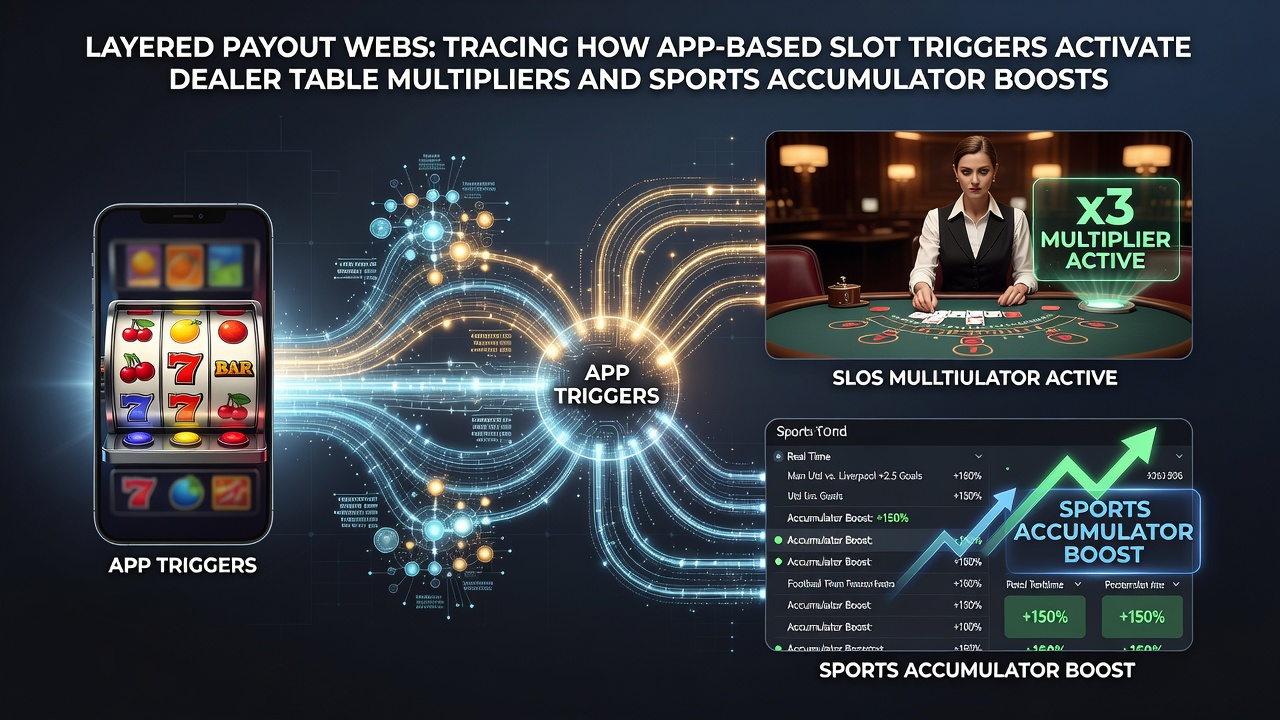
App-based gambling platforms integrate slot games with live dealer tables and sports betting sections through automated trigger systems that convert specific outcomes into layered multipliers, and observers note these connections operate via shared player accounts that track progress across different game types. Research from the American Gaming Association indicates such systems rely on real-time data feeds where slot reel combinations meeting predefined thresholds activate bonus codes that apply directly to ongoing dealer table sessions or accumulator selections in sports markets.
Mechanics Behind Slot Trigger Activation
Slot applications detect winning combinations on designated reels and forward those results to a central bonus engine, while this engine then adjusts parameters for linked live dealer tables by increasing payout rates on specific hands or rounds, and similar adjustments extend to sports accumulators where selected legs receive percentage boosts based on the original slot data. Data shows these activations occur within seconds of the triggering spin because the platform uses synchronized APIs that update user profiles across all modules simultaneously, and experts have observed that the process maintains separate ledgers for each game category to comply with regional licensing requirements.
One documented pathway involves progressive jackpot slots where a partial win above a set threshold unlocks a multiplier token, and that token carries forward to blackjack or roulette tables hosted by live dealers who apply it during the next qualifying hand. Studies from the University of Nevada Reno's gaming research division reveal that such tokens expire after a fixed window, usually measured in hours or days, which encourages continued play across categories without allowing indefinite accumulation.
Cross-Game Multiplier Propagation
Dealer table multipliers activated by slot triggers typically range from 1.2x to 5x on base payouts, and these values scale according to the size of the initial slot win, whereas sports accumulator boosts often appear as added legs or enhanced odds on parlays that already include multiple events. Platform operators configure these ranges through backend rulesets that reference historical player behavior patterns, yet the actual application remains deterministic once the trigger fires. Figures released by the Nevada Gaming Control Board in late 2025 documented a measurable uptick in cross-category sessions during periods when such layered features operated at full capacity.
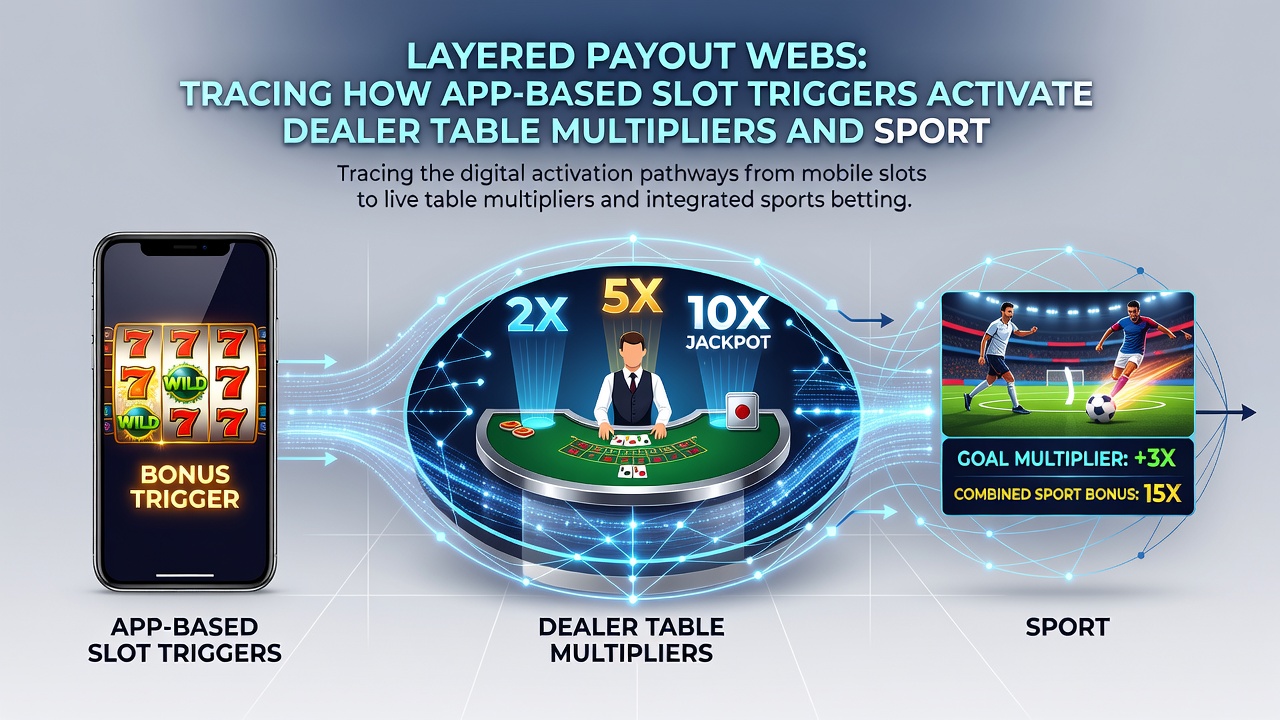
Players encounter these linkages through in-app notifications that detail the exact multiplier value earned and the eligible table or accumulator options available next, while the notification system also logs the origin of each boost for audit purposes. Industry reports compiled by the Canadian Gaming Association highlight that transparent logging helps operators demonstrate fairness when regulators review bonus distribution logs, and the same reports note that November 2026 marks the scheduled rollout of enhanced audit protocols across several North American jurisdictions that will require more granular tracking of these cross-game chains.
Implementation Patterns Across Platforms
Integrated apps divide the trigger logic into modular components where the slot module handles detection, the bonus engine manages validation and value assignment, and the destination modules apply the adjustments during live play. This separation allows independent updates to each game type without disrupting the overall chain, and developers test these modules through simulated player journeys that replicate real-world sequences of slot spins followed by table sessions or sports selections. Observers note that European operators following Malta Gaming Authority guidelines have adopted similar modular designs to meet strict data protection standards while preserving the functionality of layered payouts.
Case examples include mobile platforms that award a table multiplier after a slot bonus round completes, and that multiplier then compounds with any accumulator boost earned from a concurrent sports bet placed within the same session. The compounding occurs only when the platform's risk engine confirms that all originating bets meet minimum stake thresholds, which prevents low-value triggers from inflating larger payouts disproportionately.
Regulatory and Technical Considerations
Regulators in multiple regions require operators to publish the probability ranges for trigger events and the maximum multiplier caps that can result, and these disclosures appear in game rules accessible directly from the app interface. Technical audits verify that random number generators governing slot outcomes remain isolated from the bonus assignment logic, thereby preserving the integrity of each component even when they share player data streams. Australian research published through the Queensland University of Technology's gambling studies program has examined similar architectures and found that clear separation between RNG modules and bonus engines reduces the potential for unintended payout correlations.
November 2026 updates scheduled by several licensing bodies will introduce standardized reporting formats for cross-game bonus activity, which should provide clearer datasets for future analysis of how these layered webs influence overall player engagement metrics across different jurisdictions.
Conclusion
Layered payout systems continue to evolve through tighter integration between slot detection, dealer table adjustments, and sports accumulator enhancements, and the underlying architecture relies on rapid data exchange and modular design principles that support regulatory compliance. Ongoing technical refinements and scheduled regulatory changes in 2026 will likely shape how these connections function in the coming years, with data from multiple oversight bodies providing the factual basis for understanding their operational scope.