International Data Synchronization Frameworks Linking Electronic Table Outcomes to Simulated Sports Wagers
Written by Yves Krause · Aug 7, 2026

International Data Synchronization Frameworks Linking Electronic Table Outcomes to Simulated Sports Wagers
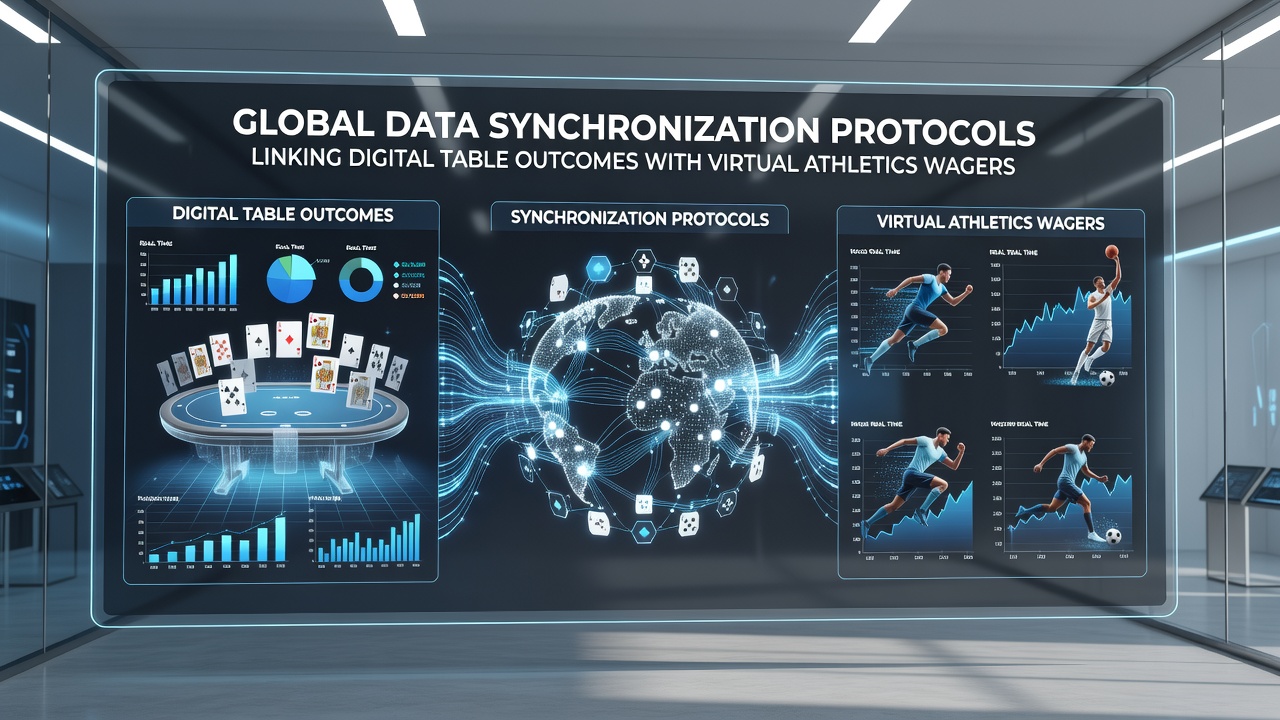
Global data synchronization protocols have emerged as essential infrastructure for modern gaming operations because they enable seamless integration between digital table game results and virtual athletics wagering platforms across multiple jurisdictions. These frameworks rely on standardized data exchange formats that transmit outcome information in real time while maintaining consistency across separate systems. Researchers at institutions studying gaming technology note that such protocols reduce latency issues that previously disrupted cross-game promotions and bonus calculations.
Core Components of Synchronization Standards
Protocols typically incorporate application programming interfaces that pull results from electronic table simulations including blackjack variants and roulette wheels then feed those figures directly into virtual sports engines for athletics events like simulated football matches or horse races. Data fields cover timestamps, result codes, and player identifiers so that outcomes from one environment influence payout structures in another without manual intervention. Industry reports from the European Gaming and Betting Association highlight how these connections support stacked reward mechanisms that activate when table results align with virtual athletics predictions.
Security layers within the frameworks employ encryption methods and audit trails that regulators in regions such as Australia and Canada require for compliance verification. Observers note that August 2026 marks the scheduled rollout of updated interoperability guidelines in several markets where operators must demonstrate full protocol adherence before launching combined table and virtual sports products.
Technical Implementation Across Platforms
Developers integrate these standards through modular software components that handle both live dealer feeds and random number generator outputs from table games while routing information to virtual athletics servers. One case involved a platform operator in North America that linked its digital poker tables to virtual cycling wagers resulting in automatic bonus triggers when specific hand rankings matched simulated race finishes. Such implementations demonstrate how the protocols operate without compromising the independent integrity of each game type.
Testing procedures conducted by independent laboratories focus on verifying that synchronization does not introduce biases into either table simulations or athletics models. Figures from academic studies on gaming systems indicate that properly implemented protocols maintain outcome randomness levels equivalent to isolated systems. Operators in Asia-Pacific markets have adopted similar approaches since early 2025 with documented increases in cross-product engagement metrics reported through trade association surveys.
Regulatory Considerations and Global Variations
Different jurisdictions apply distinct oversight models to these synchronization tools with some requiring pre-approval of data mapping schemas while others emphasize post-launch monitoring. The New Jersey Division of Gaming Enforcement for instance mandates detailed logging of every data handoff between table modules and virtual sports components to ensure traceability. Meanwhile Canadian provincial authorities have explored harmonized standards that allow operators to deploy unified platforms across provincial borders without redundant certification processes.
Technical documentation from research papers published through university gaming centers describes how timestamp synchronization prevents disputes arising from delayed result propagation. These papers emphasize the role of consensus algorithms in resolving discrepancies when network conditions vary between connected systems. Data from industry analyses shows that adoption rates for such protocols rose steadily through 2025 as more operators sought to offer integrated experiences.
Future Developments Expected by 2026
Upcoming enhancements scheduled for August 2026 include expanded support for multi-jurisdiction data routing that accommodates varying tax structures and player verification requirements. Experts anticipate that blockchain-based verification modules may supplement existing protocols to provide immutable records of outcome linkages. Trade groups continue to collaborate on reference implementations that smaller operators can adopt without extensive custom development.
Conclusion
International data synchronization frameworks continue to reshape how digital table outcomes interact with virtual athletics wagering systems by providing reliable conduits for information flow. Operators worldwide rely on these standards to deliver consistent player experiences while meeting diverse regulatory demands. Continued refinement through 2026 will likely expand the scope of possible connections between game categories without altering the fundamental requirements for fairness and security.